1. Identify the substance
The team checks labels, safety data sheets and the history of the site. If the substance is unknown, crews treat it as hazardous until it is identified.
Sandy Hook, CT · Western Connecticut Planning Region
Call (877) 812-4220 if chemical waste is leaking, spreading or stored badly at a Sandy Hook site. Crews work to protect people, soil and drains and remove the hazard with the right equipment.
If anyone is in danger, call 911 first. For a suicide crisis, call or text 988.
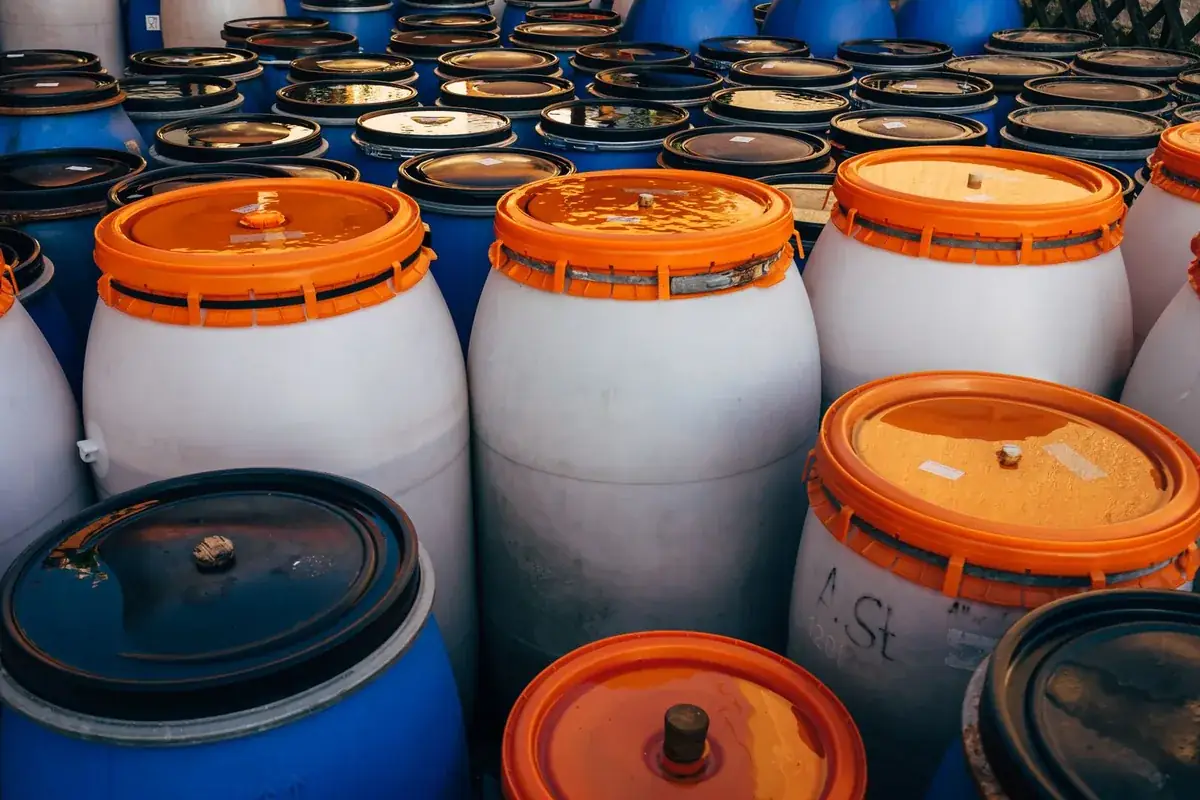
A chemical spill cleanup begins with identifying the substance and ends with waste hauled to a facility that can accept it. In between, crews contain the spread, remove soaked materials and clean the affected area.
Need hazardous waste cleanup across Western Connecticut Planning Region, including Sandy Hook? Call Sandy Hook Biohazard Cleanup Help. Your crew sorts products by type, packages them so they cannot react and cleans the surfaces they leave behind.
Wet weather in Sandy Hook, about 52 inches of precipitation a year, speeds the rusting of old drums and the spread of leaked product. Homes in Sandy Hook range from long-held properties to new builds, and any garage or shed can contain products that need safe removal.
Chemical & Toxic Waste Cleanup in Sandy Hook usually includes:
The team checks labels, safety data sheets and the history of the site. If the substance is unknown, crews treat it as hazardous until it is identified.
Products are separated by type, such as flammables, corrosives and poisons. Leaking containers are placed in secondary containment right away.
Stained concrete, soaked wood and contaminated fabric are cleaned or removed. The crew rinses and treats tools and surfaces according to the maker's data sheet.
Surfaces are cleaned with methods suited to the substance. Waste is labeled, sorted by type and hauled by the rules that apply.
The cost of chemical & toxic waste cleanup in Sandy Hook, CT depends on the amount of material, how it is packed and how it is hauled.
Size and spread matter. A spill on a sealed floor is far less work than one that soaked into soil, concrete or porous materials like wood and drywall.
| Type of job | Typical range |
|---|---|
| Hazardous chemicals | $30 - $50 per barrel |
These ranges come from published cost guides (Fixr) and are not a quote for Sandy Hook. Price drivers include type of chemical, amount, packaging and transport, disposal fees. For a real number, call (877) 812-4220.
Common ones are paints, solvents, fuels, pesticides, pool chemicals, cleaning products, batteries and mercury. Crews also remove unlabeled containers once the contents are identified. Ask the team what it can handle for your site.
Usually yes. Crews arrive in unmarked vehicles, work quietly and keep the job private. Tell the team at the start if discretion matters, and it will plan around that.
It depends on the substance. Teams choose absorbent materials, tools and cleaning products to match it, and they follow the maker's safety data sheet. Household products are not mixed together. Ask what the team plans to use and why.
Some do, but the work is different. Biohazard cleanup deals with blood, body fluids and germs, while chemical cleanup deals with harmful substances. Ask whether a team has the gear and procedures for the specific chemical before hiring it.
It depends on the substance, the amount, the spread and the disposal fees. Published ranges vary widely. The local team gives a real price after it sees the site or hears the details. Ask what is included and what could change.
Many jobs take part of a day to a few days. A small spill may be quick. A large release, a soaked site or many unknown containers take longer, and waste pickup can add time. A local team can give a better estimate after seeing the site.
One call starts the process, and you decide whether to go ahead.
Call (877) 812-4220