1. Listen first
The team asks what the resident wants to keep and what worries them most. Nothing starts until those answers are heard.
Sandy Hook, CT · Western Connecticut Planning Region
Not sure where to start with a hoarding cleanup in Sandy Hook, CT? Call (877) 812-4220 and describe the home. The team explains how safety work, sorting and cleaning usually unfold, with no pressure.
If anyone is in danger, call 911 first. For a suicide crisis, call or text 988.
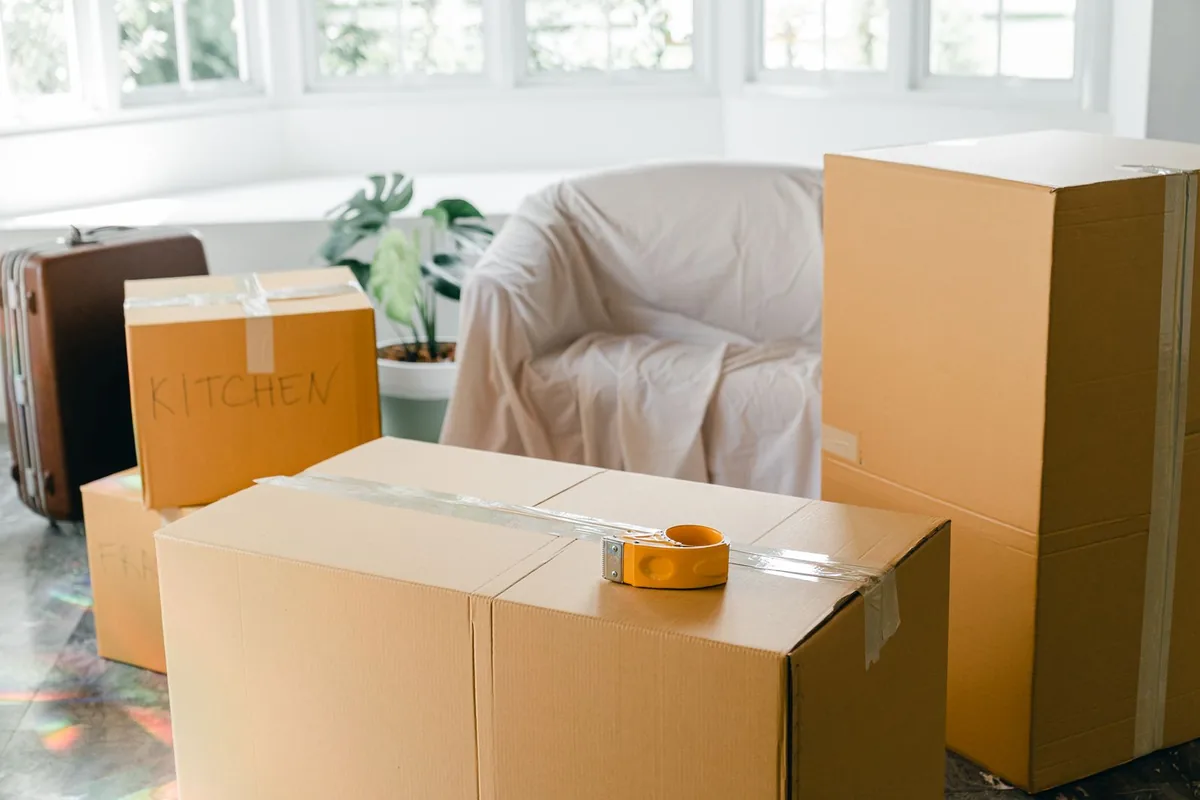
Hoarding cleanup is a safety service first. Blocked exits, fire hazards, pests, mold and unsanitary spots are addressed in order, and the home does not need to look perfect to be much safer.
Property owners, landlords, adult children and neighbors in Western Connecticut Planning Region can get safe, respectful hoarding cleaning for homes in Sandy Hook that have become hard to use. Call Sandy Hook Biohazard Cleanup Help to talk over your options.
Only about 53% of homes in Sandy Hook predate 1980, yet newer houses can still hold crowded rooms, blocked exits and pest problems. Only about 14% of people in Sandy Hook are sixty-five or older, but hoarding affects households of every age, and cleanup works the same way.
A typical hoarding cleanup job includes:
The team asks what the resident wants to keep and what worries them most. Nothing starts until those answers are heard.
Hauling routes are marked, trash bags and bins are set up, and protective equipment is put on. The neighbors are considered, too.
The team works from the highest-risk areas outward. Each cleared space is cleaned before moving on.
Surfaces are cleaned, disinfected and treated for odor. The team talks through upkeep, repairs and support for what comes next.
Expect hoarding cleanup in Sandy Hook, CT to cost roughly $500 to $25,000, with the final price set after an on-site assessment.
Deep cleaning, disinfecting and odor treatment add labor beyond sorting and removal. Kitchens and bathrooms usually take the longest to bring back to a clean state.
| Type of job | Typical range |
|---|---|
| Level 1, light | $500 - $1,500 |
| Most homes, per square foot | $1 - $2 per square foot |
| Level 5, severe | $10,000 - $25,000+ |
| Level 3 | $2,000 - $5,000 |
Estimates only, not a quote. Sources: Dropcurb, Lifecycle Transitions. Price drivers include level of accumulation, home size, whether exits and rooms are blocked, pests or animal waste. Call (877) 812-4220 to talk through the job.
Hoarding disorder is a recognized mental health condition. Whether it counts as a disability for housing or work depends on the situation and the law. A tenant rights group, a housing agency or an attorney can answer for a specific case.
Often a lease or local housing or fire rules allow a landlord to set a deadline for safety. A tenant rights group, a code office or an attorney can explain what applies. A cleanup team can often work toward a deadline.
Yes. A regular cleaning assumes surfaces are reachable and the items stay. Hoarding cleanup includes sorting, hauling, hazard checks, protective gear and disposal, and then a deeper clean of kitchens, bathrooms and floors.
Yes, cleanup covers the mess pests and mold leave behind, such as droppings, spoiled food and damaged materials. Pest control and mold remediation are separate trades, and you can ask the team when they are needed.
Hoarding disorder is a recognized mental health condition in its own right. Only a doctor or mental health professional can say what applies to a particular person. A cleanup team does not diagnose, and it treats every resident with respect.
A lightly crowded room with a willing resident can be a do-it-yourself project with gloves, a mask and a helper. Beyond that, hidden hazards, heavy items and the emotional strain make a team the safer choice.
Tell the team about any deadline so the plan can be built around it.
Call (877) 812-4220